

Ask a European health resort operator who fills rooms in the shoulder season and you'll rarely hear "everyone." Thermal tourism has always drawn a mixed crowd: retirees managing arthritis, young couples on their first trip together, families stretching a week's stay across a mineral bath and a hiking trail. Knowing who actually shows up, and why, is the difference between a marketing budget that works and one that guesses.
That question has gotten harder to answer since 2020. Travel patterns broke apart, then rebuilt themselves along new lines, and thermal and wellness destinations sat right in the middle of that reshuffle. Some resorts saw a surge of first-time domestic visitors. Others watched long-haul demand, the kind tied to honeymoon destinations and bucket-list itineraries, disappear almost overnight before returning in a different shape entirely.
We are ESPA EHV, a European umbrella organization of spa and health resort organizations, and we track these shifts because our members plan staffing, water treatment capacity, and marketing spend years in advance, not in reaction to last quarter's numbers. This piece pulls together what consumer data from 2021 and 2022 actually shows about who visits thermal destinations, and what that means for operators reading today's trend lines. For the broader financial backdrop, our recent look at market size and growth trends across Europe is worth reading alongside this one.
What Is Spa Tourism, and Why Does It Matter for Europe's Health Resorts?
Spa tourism is travel undertaken specifically to use natural healing resources, thermal springs, mineral water, climate, and landscape, for health maintenance, recovery, or preventive care. It sits at the intersection of healthcare and leisure travel rather than belonging cleanly to either category. The World Health Organization has noted that travel taken partly for health-related purposes spans a wide range, from clinical treatment abroad to preventive, nature-based practices such as balneotherapy, which is part of why the sector resists being measured with a single statistic (who.int).
That definitional fuzziness matters in practice. A visitor booking a weekend of luxury spa days at a well-appointed resort and a patient sent for a three-week course of mineral water therapy are both "spa tourists" in the data, yet they book differently, spend differently, and respond to entirely different marketing. Sustainable health tourism, as we define it across our member network, involves using natural healing resources such as thermal springs, forests, and mineral-rich peloids, and is a combination of wellness and eco-preservation rather than one tidy product category.

Who Visited Thermal Destinations in 2021? Consumer Trends in Spa Tourism
In 2021, thermal destination visitors were mostly domestic and regional travelers, older, and motivated by health maintenance rather than leisure, as pandemic-era restrictions limited long-haul bookings. Retirees managing chronic conditions and short-drive weekend guests made up a larger share of visits than usual, while first-time international spa tourists were largely absent.
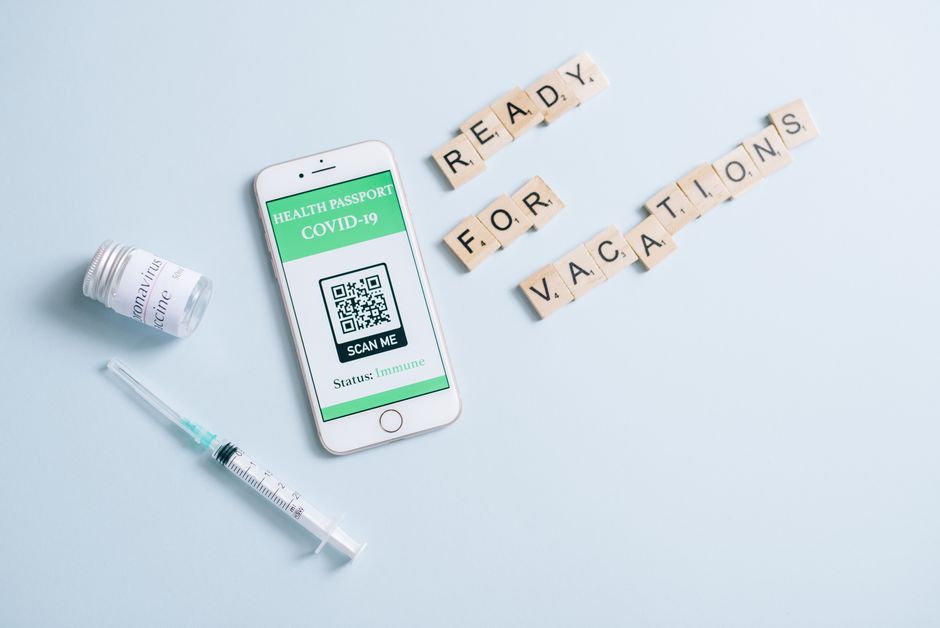
Member resorts across Czechia, Hungary, and the Baltic region reported that 2021 occupancy leaned on visitors living within a few hours' drive, a pattern almost none of them had planned for. Health resorts with strong ties to national health insurance schemes or medically prescribed treatment programs fared noticeably better than those built around international leisure bookings, simply because their client base didn't depend on cross-border travel decisions. At the same time, demand for what would ordinarily count as cheap vacation destinations, modest domestic breaks, rose as households substituted a nearby thermal weekend for the international trip they couldn't take.
The shift wasn't uniform, either. Younger travelers who might otherwise have booked a spa stay as one stop on a longer itinerary, the sort connected to travel destinations USA style road trips or a multi-country European tour, largely stayed home. That left 2021 defined by proximity and necessity rather than by the discretionary, exploratory bookings that usually drive the sector's growth.
How Did Spa Tourism Consumer Trends Shift in 2022?
By 2022, spa tourism consumer trends shifted toward returning international and long-haul visitors, plus a new segment of younger travelers booking wellness trips as standalone experiences. Family vacation bookings built around thermal parks grew substantially, while purely medical and rehabilitation visits held steady rather than dominating the mix as they had the previous year.
This is where the data gets genuinely interesting for operators. The 2022 rebound didn't just restore 2019 patterns, it layered new behavior on top of them. Couples researching honeymoon destinations began adding thermal resorts to more conventional beach or city itineraries, treating a spa stay as one leg of a longer trip instead of its entire purpose, the same recalibration showed up in destinations well outside Europe, with tourism boards from Rome to Nova Scotia pairing coastal and mineral bathing itineraries alongside more familiar bucket-list stops. Family vacation destinations built around thermal parks and multi-generational bookings grew alongside this, which pushed many resorts to formalize the kind of guest safety standards we outline in our overview of safety protocols for thermal facilities, since a pool designed for solo adult bathers isn't automatically ready for a family of five.

"Wellness tourism has been expanding faster than travel and tourism overall, as more travelers build trips specifically around health outcomes rather than treating them as an afterthought."
— Forbes
How Does Thermal and Balneological Tourism Actually Work?
Balneology, the scientific discipline of spa medicine, studies how mineral-rich water, mud, and climate produce measurable effects on the body, and it's the mechanism underneath nearly every service a thermal resort offers. Warm mineral water increases local blood flow and reduces the perception of joint and muscle pain, which is why hydrotherapy is often recommended as a complement to conventional treatment.
"Warm water can ease pain and relax muscles, and hydrotherapy is often recommended as part of a broader treatment plan for arthritis and other musculoskeletal conditions."
In practice, this means treatment programs at member resorts are built around cycles rather than single visits: an initial consultation, a course of daily bathing or mud application over one to three weeks, and a rest period before results are assessed. Forest bathing works through a related but distinct mechanism, exposure to phytoncides, the airborne compounds released by trees, which is part of why our member destinations increasingly pair forest trails with their bathing programs instead of treating them as separate amenities. This is evidence-based wellness in the literal sense: spas as custodians of nature, translating a landscape into a measurable health benefit rather than a marketing backdrop.
What Should Travelers Look For in a Genuine Thermal Destination?
Not every property marketing itself as a "spa" is actually drawing on the resources that make balneology work in the first place. A resort with a documented mineral water source and independent water analysis is a fundamentally different offering than a hotel spa built around imported products. A few signals separate the two:
- A named, geologically documented thermal or mineral water source rather than a generic "spa water" label
- Published water composition data, ideally from an independent laboratory analysis
- Staff trained in balneotherapy or physiotherapy rather than purely aesthetic treatments
- Clear treatment protocols with recommended course lengths, not single drop-in sessions marketed as cures
- Certification or accreditation from a recognized regional or national spa standards body
- Transparent pricing that separates medical or therapeutic treatment from optional wellness add-ons
- On-site or referral access to a physician for visitors booking treatment for a diagnosed condition
Certification matters more than most travelers realize, and even more to operators trying to stand out in a crowded market. We've covered the certification requirements and pathways available to European operators in more detail, and it's a useful reference for any property trying to signal legitimacy to increasingly informed guests.
Is Thermal Spa Tourism the Right Fit for Every Traveler?
No, and we'd rather say that plainly than oversell the category. Thermal and balneological treatments generally suit visitors managing musculoskeletal pain, stress-related conditions, or seeking preventive care within a documented, supervised program. They're a poor substitute for emergency care, for conditions requiring surgical intervention, or for anyone expecting a guaranteed cure rather than a course of treatment with realistic, incremental benefits.
There are good reasons a traveler might choose differently, too. Someone recovering from a recent cardiac event should get physician clearance before hot mineral bathing. Pregnant travelers, people with open wounds or active skin infections, and those with uncontrolled hypertension are typically advised against certain thermal treatments altogether. In those cases, a milder wellness itinerary, or simply a standard trip among more familiar travel destinations USA or elsewhere, is the sensible choice, and a reputable resort should say so rather than book the visitor in anyway.
This is also where regulatory frameworks earn their keep. Health claims in spa marketing are governed more tightly across the EU than most operators expect, and we cover the specifics in our guide to the EU wellness tourism policy framework, which shapes what a resort can and cannot promise a prospective guest.
What Results Can Visitors Realistically Expect, and On What Timeline?
Most balneotherapy programs are built around a course of seven to twenty-one days, not a single afternoon soak, and meaningful relief from conditions like joint pain or muscular tension typically builds gradually across that window rather than arriving immediately. A weekend of luxury spa days can absolutely relax a stressed traveler, but it isn't the same product, or the same outcome, as a supervised three-week mineral water course.
In our member network we have seen the strongest satisfaction scores from visitors who arrive with a specific, realistic goal, easing chronic lower back pain, managing stress after a demanding year, supporting recovery from a joint injury, rather than a vague hope of feeling renewed. As Richard Hargreaves has noted elsewhere in his coverage of European health tourism, the operators who benefit most from this shift are the ones treating guest intent data as seriously as they treat water quality data. Operators evaluating their own numbers against these patterns may find it useful to review our analysis of profitability and booking patterns across thermal resort operators, since guest goals and repeat-visit rates tend to move together.
Practical Tips for Reading and Serving Today's Spa Tourist
Consumer behavior in this sector hasn't settled into a stable, predictable pattern yet, which means both travelers and operators benefit from a bit of extra homework before booking or marketing a stay.
- Ask about water source documentation before booking, and expect a straight answer rather than a marketing brochure
- Book treatment courses in blocks of at least a week when the goal is a specific health outcome
- Treat single-day or drop-in visits as relaxation, not therapy, and set expectations accordingly
- Check for physician availability on-site if you're managing a diagnosed condition rather than general stress
- Compare certified properties against uncertified ones using published standards, not star ratings alone
- Watch shoulder-season pricing closely, since some of the best value now shows up outside peak summer months at properties otherwise marketed as cheap vacation destinations
Operators should be reading their own booking data the same way. Guest intent segments, medical, preventive, and leisure, behave differently enough that treating them as one audience wastes marketing spend and misreads what the next season's guests actually want.
The consumer story running through 2021 and 2022 isn't really about a pandemic dip and a rebound. It's about a sector relearning who its visitors are and why they come, whether that's a retiree on a physician's recommendation, a couple folding a thermal stop into a honeymoon, or a family choosing a mineral bath over a theme park. We are the voice of common interests on the European level precisely because getting that picture right, across borders and across member destinations, takes collective representation through a single European umbrella rather than any one resort guessing alone. It's through that intertwining of healthcare, tourism, research, and policy that the natural remedies our members have offered for generations will stay credible and future-ready for the travelers still deciding where to go next.